About the Summit
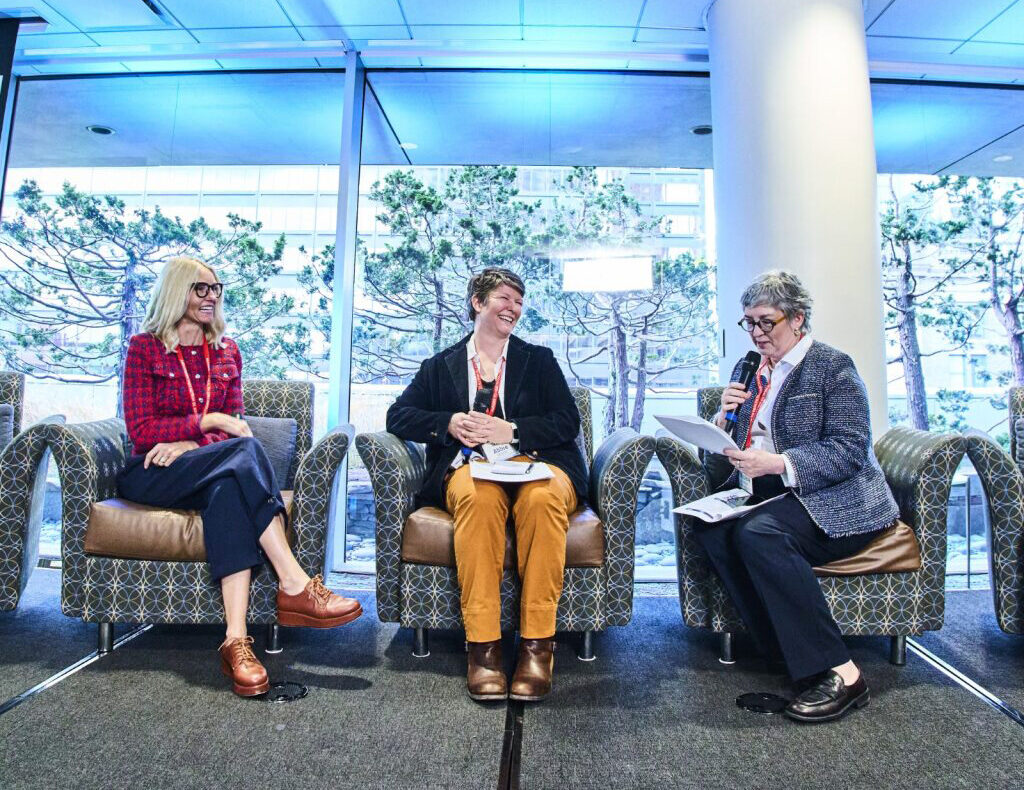
Please join us at our 2026 Fall Summit, Blueprints for Change: From Innovation to Resilience, to share, learn, and celebrate innovative work in food and nutrition that is advancing health equity.
The Summit will feature both a poster session and lunchtime problem-solving conversations with the 14 $100k winners of the 2026 Food Justice for Kids Prize (FJKP) doing creative work in school food and nutrition education and Indigenous food justice around the country. The FJKP is being co-funded through a new $1.4M collaboration with H2HC, Newman’s Own Foundation, Humanitix, and The Henry P. Kendall Foundation.
We look forward to seeing you in November.
Schedule and Agenda
Day 1 – November 16, 2026
Reception and Poster Session: 4:30 – 6:30 pm
Meet the 14 2026 Food Justice for Kids Prize winners, network with cross-sector colleagues, and start new conversations to continue at the Summit the following day and beyond.

Day 2 – November 17, 2026
H2HC Fall Summit: 8:15 am – 4:00 pm
- Keynote: Federal Policy and our National Health
- Navigating a New Policy Landscape
- State Innovations in Managing Food Security
- Diverse Funding Models in Advancing Health Equity
- Lunch Workshop with FJKP Winners
- Victories in School Food Policy
- Businesses as Change Agents
- Blueprints for Resiliency: Looking to the Future
Closing Reception: 4:00 – 5:00 pm
Who Should Attend
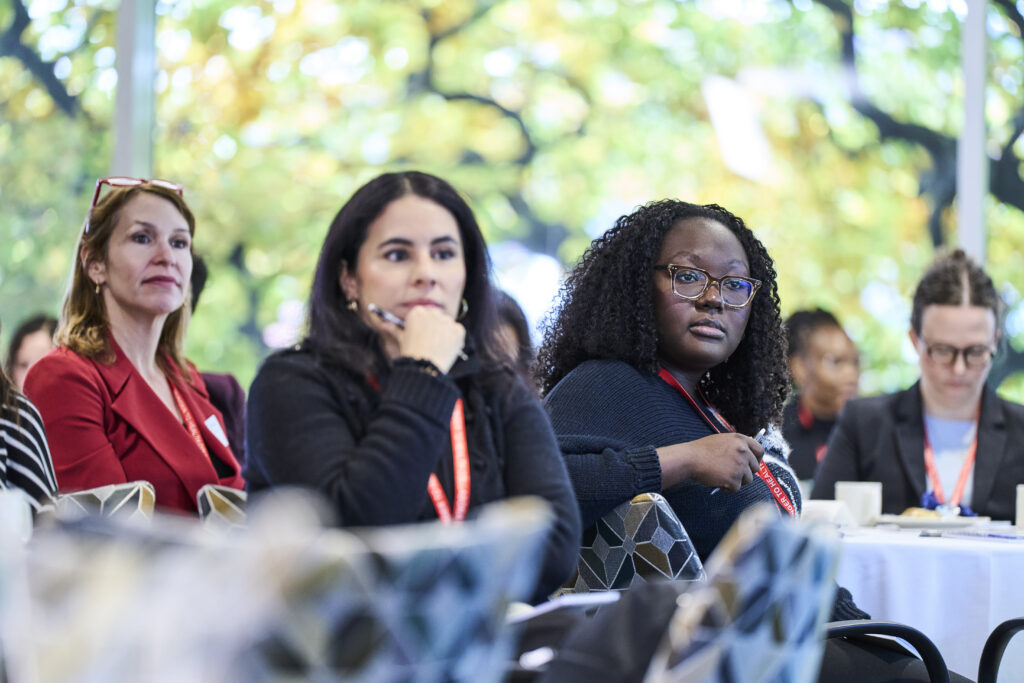
The Summit will bring together cross-sector leaders in food, nutrition, and health equity:
- Corporate community members interested in the food and nutrition space.
- Community-based organizations implementing programs and building momentum;
- Healthcare systems and providers integrating nutrition interventions and navigating policy changes;
- Policy advocates and researchers working to strengthen local, state-wide, and national programs and generate evidence; and
- Funders and networks supporting collaborative infrastructure and connecting local work to broader movements; and
Speakers
Alex Amouyel
Newman’s Own Foundation
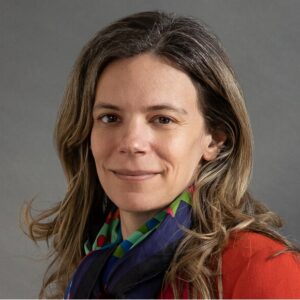
Alex Amouyel is the President and CEO of Newman’s Own Foundation, a private grantmaking foundation whose mission is to nourish and transform the lives of children who face adversity. She leads the Foundation’s efforts to utilize 100% of the profits and royalties from the sale of Newman’s Own products in service of this mission. Under Alex’s leadership, Newman’s Own Foundation co-founded the 100% for Purpose Club, a community of impact-driven business leaders and companies working to support and inspire the next generation of organizations to donate 100% of their profits for purpose. Her recent TED Talk, Can Salad Dressing Transform Capitalism?, explores the “100% for Purpose” movement and what it can teach us about doing business, philanthropy and capitalism differently.
Prior to her role at Newman’s Own Foundation, Alex led MIT Solve as its Founding Executive Director with a mission to drive innovation to solve world challenges. She steered MIT Solve’s growth to support over 268 Solver teams and Indigenous Communities Fellows, catalyzed over $60 million in commitments, and brokered more than 600 transformational partnerships. She also navigated the organization’s response to the global pandemic, launched a Health Security & Pandemics Challenge, and expanded Solve’s work on racial equity in the United States, including launching Solve’s Indigenous Communities Fellowship and the Black & Brown Innovators Program.
Over the course of her career, Alex has also served as the Director of Program for the Clinton Global Initiative, and held roles at Save the Children International and the Boston Consulting Group.
Alex earned a dual master’s degree in International Affairs from Sciences Po, Paris, and the London School of Economics, along with a bachelor’s degree in Biochemistry and Natural Sciences from Trinity College, Cambridge, UK. Alex is the author of The Answer Is You: A Guidebook to Creating a Life Full of Impact.

KEYNOTE: Sara Bleich
Professor of Public Health Policy
Harvard T.H. Chan School of Public Health
Dr. Sara Bleich is the inaugural Vice Provost for Special Projects at Harvard University, Professor of Public Health Policy at the Harvard T.H. Chan School of Public Health, and a faculty member at the Harvard Kennedy School of Government. With more than 190 peer-reviewed publications, she is a policy expert and researcher who specializes in diet-related diseases, food insecurity, and racial inequality. Prior to this, Dr. Bleich served in the Biden Administration as the Director of Nutrition Security and Health Equity at the U.S. Department of Agriculture’s (USDA) Food and Nutrition Service and as the Senior Advisor for COVID-19 in the Office of the Secretary at USDA. As a White House Fellow during the Obama Administration, she worked at USDA as a Senior Policy Adviser for Food, Nutrition and Consumer Services and on First Lady Michelle Obama’s Let’s Move! initiative. Dr. Bleich was elected to the National Academy of Medicine in 2023 and the American Academy of Arts and Sciences in 2025. She holds a B.A. in psychology from Columbia University and a PhD in health policy from Harvard University.

Prabal Chakrabarti
Executive Vice President
Federal Reserve Bank of Boston
Prabal Chakrabarti is an Executive Vice President at the Federal Reserve Bank of Boston in the Regional and Community Outreach department, with a mission to improve the economic well-being of low- and moderate-income people. He oversees a department that focuses on three main pillars: (1) revitalizing smaller cities and rural areas through the Working Cities Challenge and Working Communities Challenge; (2) improving household financial stability for all; and (3) increasing employment opportunities by improving the quality of jobs and enhancing access to quality, affordable childcare. Previously, Prabal was at the Initiative for a Competitive Inner City, where he led a research effort to measure economic competitiveness in America’s inner cities. He served in the U.S. Treasury in economic policy, and he co-wrote a UNDP report Unleashing Entrepreneurship: Making Business Work for the Poor.
Prabal holds graduate degrees from MIT and Oxford University, where he was a Marshall Scholar, and a B.S. from the University of Illinois, where he was a Truman Scholar. He serves on the boards of the Massachusetts Housing Partnership, the Conservation Law Foundation, and chairs the Marshall Scholar Regional Selection Committee

Mike Curtin
CEO
DC Central Kitchen
Mike Curtin, Jr. joined DC Central Kitchen (DCCK) in 2004, taking over as Chief Executive Officer of the country’s first community kitchen from founder Robert Egger in 2007. He came to the organization after a 20-year career in the hospitality sector that included owning and operating his own restaurant, The Broad Street Grill, in Falls Church, Virginia. Drawing on that industry expertise, Mike has grown DCCK’s social enterprise portfolio into thriving initiatives that generate more than $10 million in annual earnings, allowing DC Central Kitchen to match every donation it receives with earned revenue.
Mike has led the organization through the Great Recession, the COVID-19 pandemic, and significant periods of organizational growth and expansion. His focus on ‘good business’ solutions that created meaningful careers for DC Central Kitchen culinary graduates has helped the Kitchen consistently earn half its annual budget through social enterprise activities and sustain over 300 full-time, living wage jobs in the District of Columbia. Along the way, he has championed industry-leading, innovative practices around internal staff development and accessible career tracks, comprehensive benefits and fair schedules that sustain pathways out of poverty and undertook an eight-day public fast to call attention to the often undervalued role of nonprofits in our community.
While directing DC Central Kitchen’s front-line response to the challenges of the COVID-19 pandemic, he also drove a successful transition to an iconic new headquarters in southwest DC. Now the nation’s most ambitious community kitchen and urban food hub, The Michael R. Klein Center for Jobs and Justice represents the fulfillment of Mike’s vision for the role nonprofits and social enterprises can and must play in inclusive economic development models that generate lasting community returns.
Marc DeCourcey
Senior Vice President
U.S. Chamber of Commerce Foundation
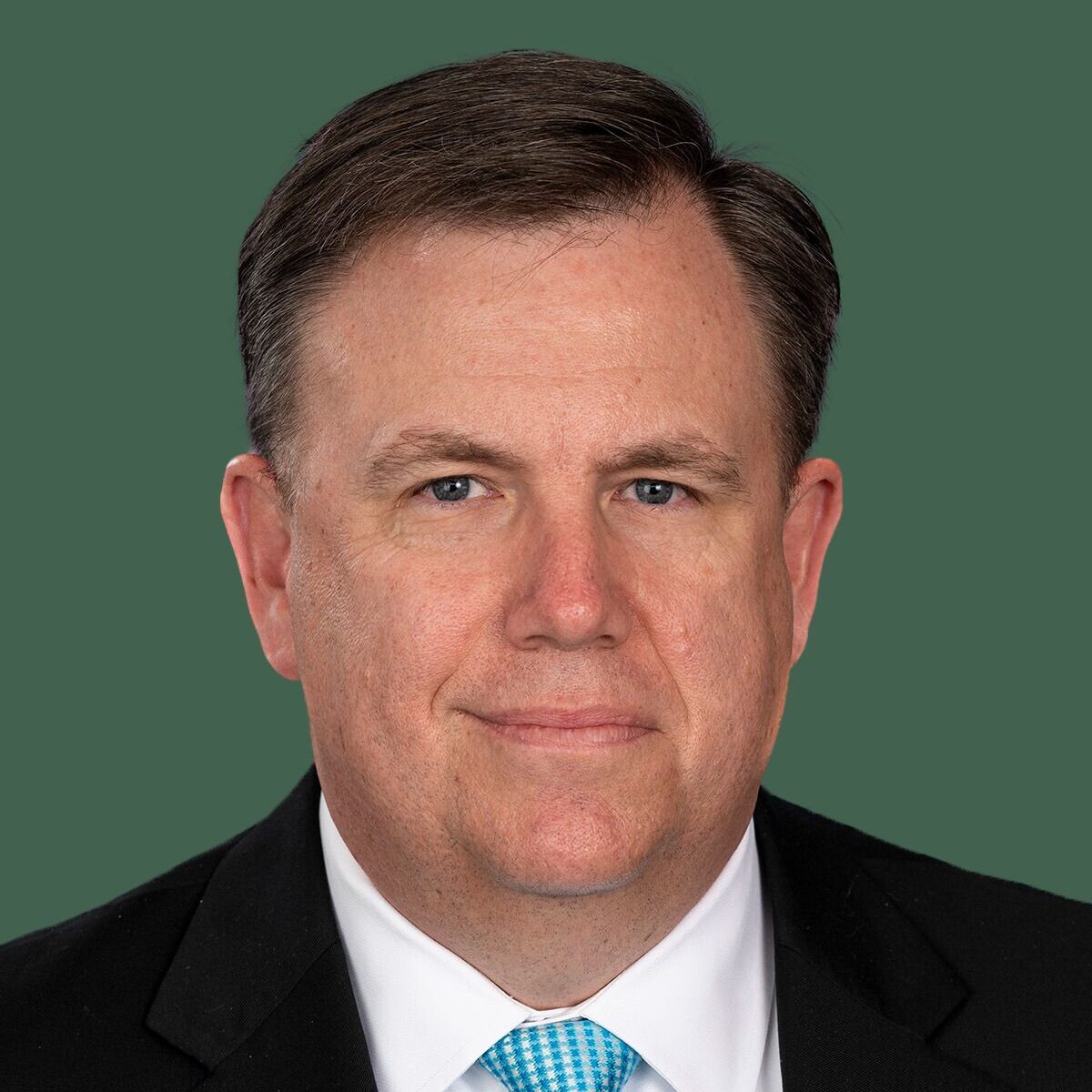
Marc DeCourcey is senior vice president of the U.S. Chamber of Commerce Foundation. Joining the Foundation in 2013 as a member of its leadership team, he has directed the Foundation’s programming focused on harnessing the business community’s response to societal challenges ranging from natural disasters and public health crises, to assisting companies as they implement their own corporate citizenship programs in sustainability, health & wellness, and community improvement.
DeCourcey has 30 years of experience in public policy leadership, spanning the executive and congressional branches of the U.S. government as well as the nonprofit sector. Previously, DeCourcey held senior positions at the American Red Cross (ARC)—including chief of staff in the president and CEO’s office. There he implemented strategic initiatives, directed day-to-day operations, and represented the organization to major stakeholders across government, corporate, and nonprofit sectors.
A native of Massachusetts, DeCourcey ran for state representative immediately after graduating from Providence College. After narrowly losing the race, he was hired to work in Massachusetts Governor Bill Weld’s administration. He then managed successful congressional campaigns and worked on Capitol Hill for former Reps. Peter Blute and John Kasich. In addition, he served as executive director of the Massachusetts Republican Party.
DeCourcey has a long history of community service and has been active on numerous civic and philanthropic boards. He was appointed to be a U.S. National Commissioner for UNESCO and named to the U.S. Department of State’s Advisory Committee on the Strategic Dialogue with Civil Society. He’s also been named No. 50 in Ethisphere’s 100 Most Ethical People in Business.
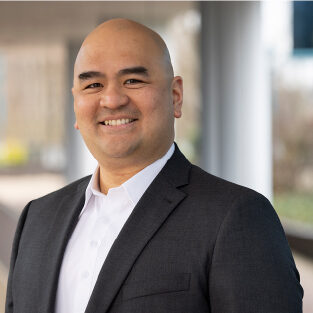
Mark Dinglasan
Executive Director
NJ Office of the Food Security Advocate
Mark Dinglasan is currently the Executive Director of the New Jersey Office of the Food Security Advocate (OFSA). Under the leadership of the Governor and Speaker Coughlin of NJ General Assembly, the office was created through legislation and is the first of its kind in the nation. OFSA is charged with coordinating outreach for food security programs in New Jersey, including developing new initiatives and outreach campaigns and identifying best practices, research and strategies to increase enrollment and outcomes in the State’s food security programs and initiatives.
Prior to this role, Mark was the Executive Director of CUMAC, the largest anti-hunger organization in Passaic County. CUMAC is dedicated to fighting hunger at its root causes by using Adverse Childhood Experiences (ACEs) research and asset-based community building principles to create more just food access systems and partnerships. Mark was the Executive Director of Court Appointed Special Advocates (CASA) of Cook County before coming to CUMAC. Prior to joining CASA, he led national corporate development and fundraising at JTB – A Pipeline Organization, the foundation started by the Honorable Ann Claire Williams of the U.S. Court of Appeals for the Seventh Circuit.
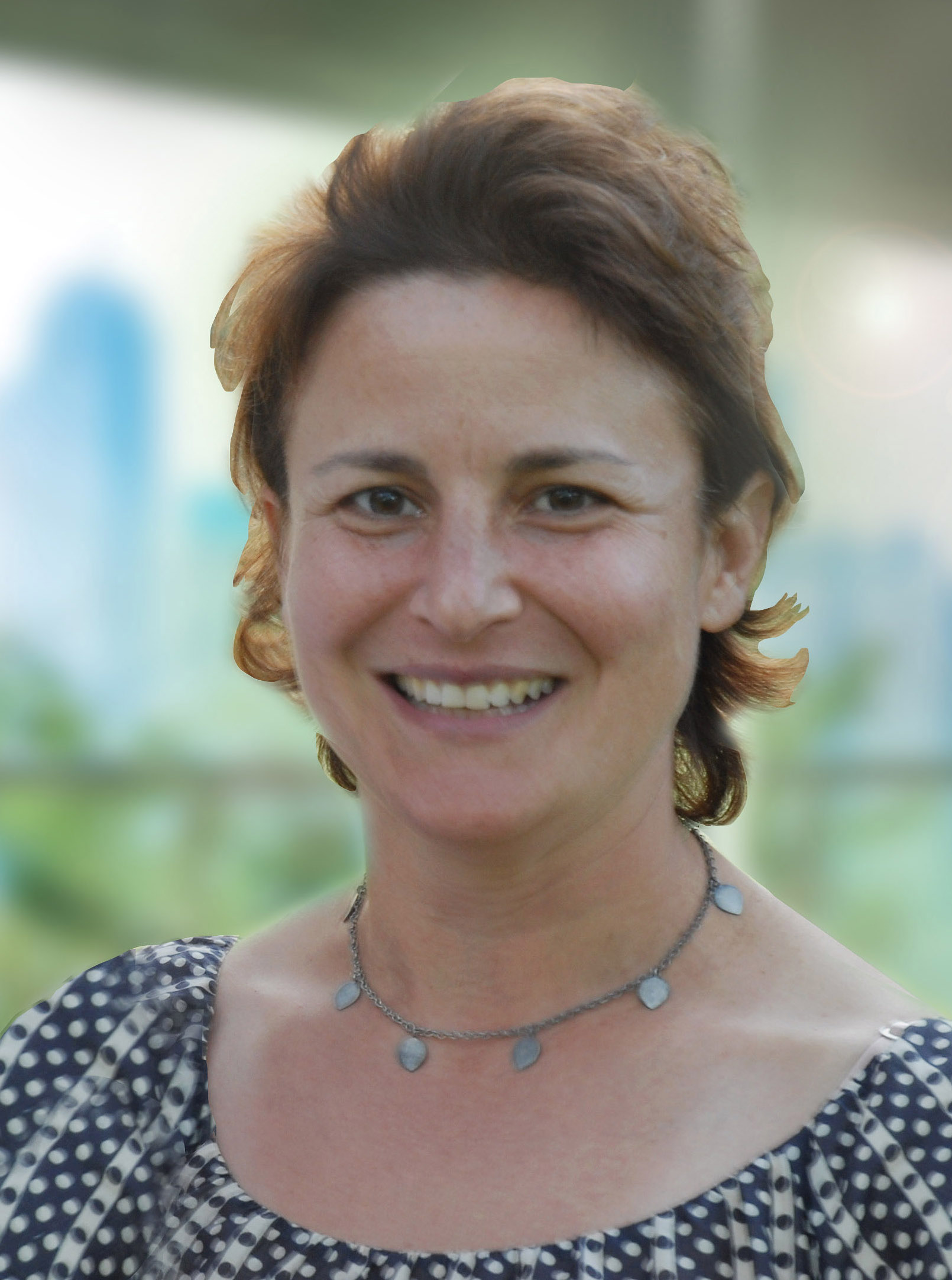
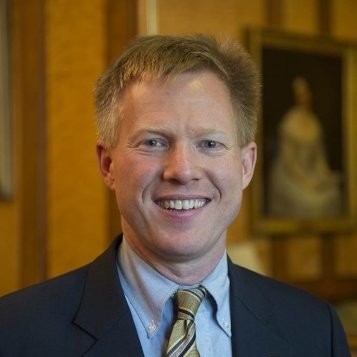
Max Finberg
Vice President, Government Affairs
Chobani
Max Finberg has nearly three decades of experience working to end hunger and poverty in the U.S. and around the world, most recently as President and CEO of Growing Hope Globally (formerly Foods Resource Bank). He has also served as director of the United Nation’s World Food Programme and inaugural director of the Alliance to End Hunger. Finberg has held positions with the U.S. Department of Agriculture, the Department of State, AmeriCorps VISTA, and the U.S. Congress. He is currently on the Baylor Collaborative on Hunger and Poverty’s board of advocates.
Crystal FitzSimons
President
Food Research & Action Center
Crystal FitzSimons is the President for the Food Research & Action Center (FRAC), leading the organization to achieve its vision: A nation in which all people have the nutritious food they need to lead healthy and productive lives; and mission: To improve the nutrition, health, and well-being of people struggling against poverty-related hunger in the United States through advocacy, partnerships, and by advancing bold and equitable policy solutions.
Prior to taking on the President role, FitzSimons oversaw FRAC’s work to improve and strengthen the school, summer, and afterschool nutrition programs. She analyzed policy to advocate for legislative and regulatory improvements to increase children’s access to the child nutrition programs. She helped develop strategy and direct national partnerships and field efforts to achieve program improvements through legislative and administrative changes. Recent successful efforts include the Pandemic and Summer EBT Programs; the child nutrition waivers during the pandemic that allowed schools to offer school meals to all their students at no charge, the nationwide expansion of the Afterschool Meal Program; and the Community Eligibility Provision.
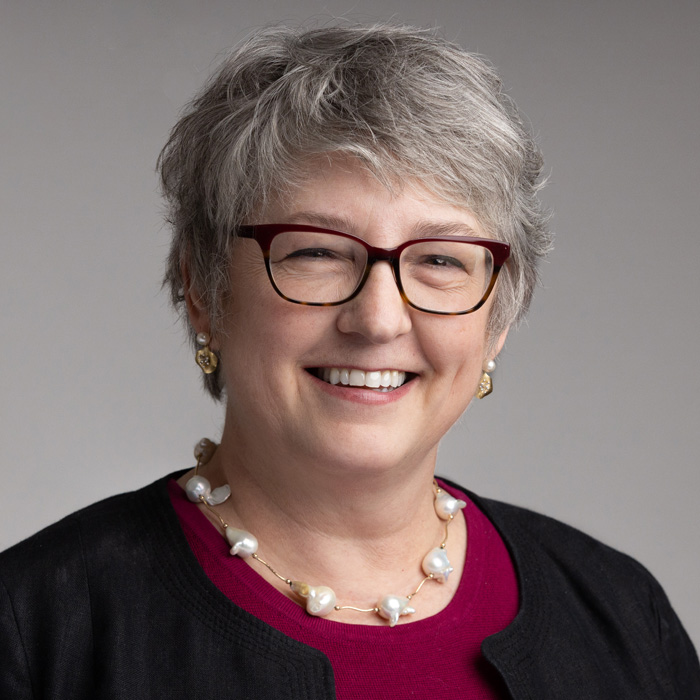
Nicolene Hengen
Executive Director
Hunger to Health Collaboratory
Nicolene joined the Hunger to Health Collaboratory (H2HC) as its first executive director in July 2021. Her career has been focused on strategic, programmatic, and communications work in both domestic and international public health and academia. She has worked with Beth Israel Lahey Health, the Massachusetts Institute of Technology, Johns Hopkins University, Pathfinder International (Horn of Africa region), and others.
Nicolene is an alumna of LeadBoston, a local network of inclusive leaders, and founded an award-winning nonprofit, Roslindale Green & Clean, to renew neglected public green spaces in her Boston neighborhood. As a Friend of the Roslindale Library, she worked with the City of Boston and the Boston Public Library to help guide a comprehensive branch library renovation process. She holds a BA in Government from Smith College and an MSPH from the Tulane University School of Public Health and Tropical Medicine.

Dr. Thea James
Vice President of Mission; Associate Chief Medical Officer
Boston Medical Center
As Vice President of Mission, Thea L. James, MD, MBA, works with caregivers throughout Boston Medical Center (BMC).
Additionally, Dr. James has primary responsibility for coordinating and maximizing BMC’s relationships and strategic alliances with a wide range of local, state and national multisector organizations, including community agencies, housing advocates, and others that partner with BMC. The goal is to foster innovative and effective new models of care that are essential for patients and communities to thrive and reach full potential.
This includes focus on the intersections of health and wealth, economic mobility and other upstream drivers of predictable poor health outcomes. These care models are critical to operationalizing equity in the broadest sense.
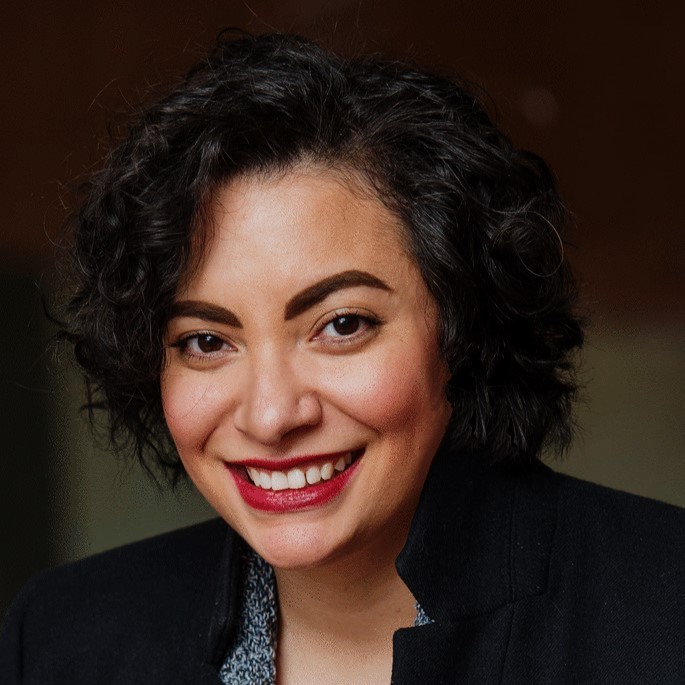
Kolia Souza
Project Director, Odoms-Young Nutrition Liberation, Food Sovereignty, and Justice Lab
Cornell University
Kolia Souza is Project Director for the Odoms-Young Nutrition Liberation, Food Sovereignty, and Justice Lab at Cornell University. Her work has focused on food policy and advocacy, democratic process and civic engagement, community leadership capacity building, and strategy development at the local, state, and national level.
Kolia has worked with food policy councils and community-based organizations across the nation to create more equitable and just local food systems in both her institutional and consulting roles. Over the last decade, she has worked for numerous community development and outreach centers and consulted for organizations such as the American Heart Association, United HealthCare, Harvard Center for Health Law and Policy Innovation, USDA NIFA, Food Policy Networks Project, and Food Systems Leadership Network.
Katie Stebbins
Executive Director
Food & Nutrition Innovation Institute at Tufts University
Katie Stebbins is the Executive Director of the Food & Nutrition Innovation Institute at Tufts University, where she is building a world‑class ecosystem at the intersection of nutrition innovation, technology, and planetary resiliency. A leader in tech‑driven economic development, she previously served as Massachusetts’ inaugural Under Secretary for Technology, Innovation, and Entrepreneurship, guiding major state investments in cybersecurity, health tech, robotics, and advanced manufacturing. An entrepreneur who has launched three ventures and an Innovator in Residence at MIT Sloan, she brings deep expertise in catalyzing innovation across public, private, and academic sectors. She holds a master’s degree in regional planning from the University of Massachusetts Amherst.

Julianne Stelmaszyk
Director, Division of Food Security
Massachusetts Department of Agricultural Resources
Juli Stelmaszyk serves as the Director of Food Security at the Massachusetts Department of Agricultural Resources where she oversees cross-agency implementation of food security initiatives and promotes a safe and resilient food system for the Commonwealth. Previously, she was Director of Food Strategy for the state of Rhode Island where she worked to strengthen Rhode Island’s food economy through a systems approach which promotes health equity, economic development and environmental sustainability. Prior to this role, Juli worked in small scale agriculture in Massachusetts, founded a farm-to-table cooking school in Rome and launched inaugural local food procurement programs at a high school in Italy and at Boston College Dining Services. She holds an MBA from Boston College Carroll School of Management with a concentration in sustainability and social impact.
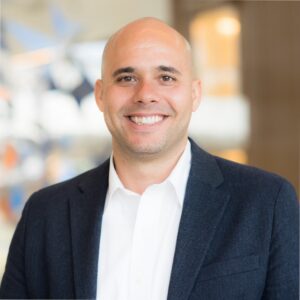
Andrew Whitehead
Vice President, Head of Population Health
Bristol Myers Squibb
Andrew Whitehead, Vice President, Head of Population Health, leads the global development and execution of strategic integration, inclusive research, and therapeutic areas related to health equity across all functions within the Bristol Myers Squibb (BMS). Andrew’s leadership centers on refining, articulating, and operationalizing the strategic priorities of the BMS health equity strategy. He has successfully embedded this body of work into business imperatives across functions, through assessment of needs and barriers for each priority, and addressing healthcare challenges across Bristol Myers Squibb’s priority disease areas. Andrew has also led his team in addressing global health challenges that include tackling systemic barriers and expanding access to BMS’ medicines and innovations around the world, specifically in low- and middle-income countries. With a keen focus on aligning business objectives with corporate goals, Andrew plays a pivotal role in driving efficiency and effectiveness across BMS. He has also contributed to the development of the organization’s international policy strategy. With nearly 15 years in the biopharma industry, Andrew brings a strong commercial background to Bristol Myers Squibb. Andrew has held numerous strategic and operational positions of increasing responsibility at BMS since he joined the organization in 2011. Prior to assuming his current role leading the Health Equity team, Andrew served as Executive Director, Strategy and Business Operations, Corporate Affairs, where he drove strategic planning, operational excellence, and seamless coordination of initiatives across the Corporate Affairs organization.
Location and Parking

UMass Club
One Beacon Street
Boston, MA 02108
Directions and Parking
Parking is available at the ONE BEACON garage, located directly beneath the building. The entrance to the garage is located on Tremont Street, before Beacon Street. The entrance can be located via Cambridge/Tremont Street. The parking entrance will be on your right side, immediately before the Saloniki Greek restaurant. Proceed down the ramp and turn LEFT to access the ONE BEACON garage.
The UMass Club is also accessible via public transportation:
- .6 miles from South Station
- .7 miles from North Station
- .2 miles from State Street Station (Orange and Blue lines)
- .2 miles from Park Street Station (Red and Green lines)
- .3 miles from Downtown Crossing Station (Orange and Red lines)
- .3 miles from Government Center Station (Blue and Green lines)